How to Sell My Van in Queenstown for a Fair Price
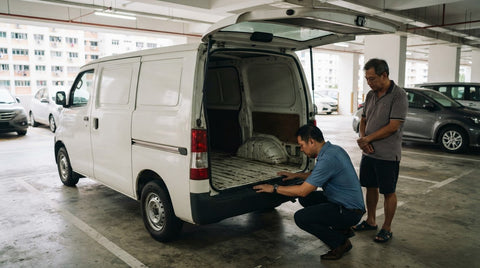
If I want to sell my van in Queenstown for a fair price, I should compare similar vehicles, describe its condition accurately, and assess each offer carefully. A professional buyer like Carz World Pte Ltd can help me understand how the van’s details and condition affect its assessment.
It’s understandable to want a fair return without letting the sale drag on. To sell my van in Queenstown with confidence, I need a clear view of its condition, mileage, demand, and paperwork. These details help me judge whether an offer suits my priorities.
This guide explains how a professional prepares a van for assessment, compares prices, and evaluates offers. It also covers handling payment and ownership transfer safely, so I can plan the next steps with care.
Key Takeaways
- Present the van clearly for assessment, with its condition and features easy to understand.
- Compare similar vans and weigh mileage, condition and demand before deciding what counts as a fair offer.
- Allow time for enquiries and consider a professional buyer when you want a more direct sale across New Zealand.
- Review payment arrangements carefully and complete the ownership transfer as part of the sale.
- Understand how factors such as vehicle condition and seasonal demand can influence the offer you receive.
How a professional prepares and cleans the van for assessment
- Clear the cabin before the vehicle is inspected. An assessment is easier when personal belongings aren’t covering seats, floors or storage areas. Remove loose items, travel gear and anything stored in cupboards so the assessor can see the interior’s actual condition, including worn upholstery, marks and damaged fittings. This also keeps personal belongings separate from the van during pickup. If anything remains inside, identify it before the inspection begins.
- Clean the interior and exterior for a clear view. Dirt and clutter can hide a van’s condition. Cleaning the windows, dashboard, seats and floor helps reveal wear and makes the cabin easier to assess. Washing the body panels also makes dents, scratches and paint marks easier to distinguish from surface dirt. Cleaning won’t remove existing wear, so the assessment should reflect the van’s true condition, not just its presentation.
- Make existing damage visible and describe it accurately. Point out known dents, scratches and worn areas so they can be included in the assessment. If the van has a damaged seat, cracked fitting or mark on a body panel, don’t let clutter or dirt conceal it. Clear photos can support your description. Take them horizontally, as vertical phone images may be cropped poorly on listing platforms. Straight, well-lit views show the vehicle without hiding its condition.
- Provide the details needed to identify the van. Share its make, model and condition when arranging the assessment. Add practical details that help the professional understand what is being assessed, such as the van’s interior layout, visible wear and any belongings that will be removed before pickup. For a professional sale, the vehicle selling process can begin with those essential details. Accurate information helps the assessor prepare for the right vehicle, not just a general van category.
- Prepare clear access for collection. Remove belongings and leave the van accessible at the agreed pickup location, with enough room for the vehicle to be reached and, if needed, towed. Mention access restrictions, a tight driveway or anything else that could affect vehicle movement before arranging pickup. Keep the keys and relevant vehicle documents available. These steps help the buyer assess collection requirements and reduce delays caused by blocked access or missing information.
How a professional prices your van against comparable vans
In Singapore, commercial vans and vehicles with outstanding loans can involve additional paperwork or settlement steps, depending on registration and finance arrangements. A van’s worth depends on its make, model, age, mileage, condition and current demand, rather than those details alone.
-
How a Professional Finds Comparable Vans for Pricing
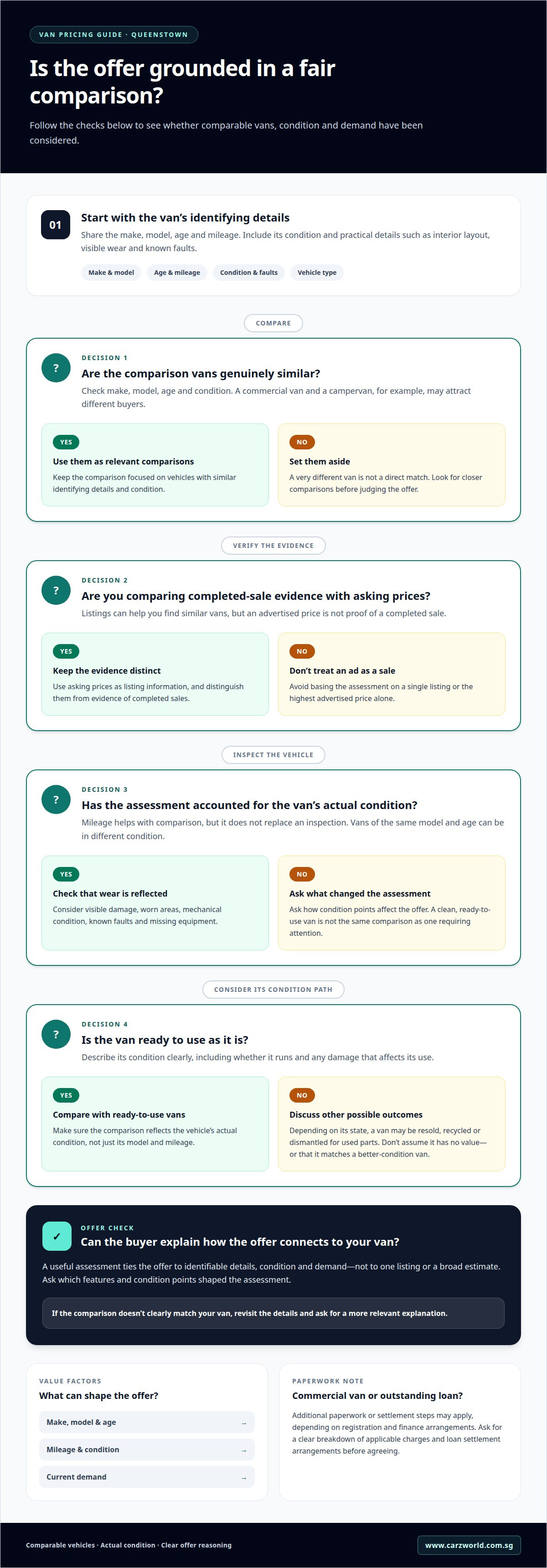
Ask the professional to compare your van with listings for similar vehicles. Useful places include van-selling groups, online marketplaces and vehicle listings, where the make, model, age and condition can be compared. A professional should distinguish asking prices from evidence of a completed sale, and avoid treating a very different van as a direct match. A commercial van and a campervan, for example, may attract different buyers.
-
How a Professional Assesses the Van’s Worth
Provide the van’s make, model, age and mileage for relevant comparisons. These details help narrow the comparison to similar vehicles, while condition and demand help explain differences in asking prices. Mileage is useful alongside an inspection, not instead of one: two vans of the same model and age can be in different condition. The assessment should reflect the actual vehicle, not an assumed average.
- Include condition in the comparison. Ask how visible wear, damage and mechanical condition affect the assessment. Comparable listings may describe similar vans differently, so the professional needs to distinguish a clean, ready-to-use vehicle from one requiring attention. Be open about known faults and missing equipment. A realistic comparison accounts for those details instead of relying only on the highest advertised price.
- Discuss vans in varied conditions. A van’s condition can affect what happens after purchase. Depending on its state, it may be resold, recycled or dismantled for used parts. An assessment can therefore consider more than retail-ready vehicles. Describe the van clearly, including whether it runs and any damage that affects its use. Don’t assume a low-condition vehicle has no value, but don’t expect it to match a similar van in better condition.
- Use the comparison to understand the offer. Ask which features and condition points shaped the assessment, then consider whether the comparisons genuinely match your van. If you’re weighing a professional sale alongside other vehicle options, explore vehicle choices as part of your decision. A fair assessment should connect its offer to the van’s identifiable details and condition, rather than relying on a single listing or broad estimate.
Sell Your Van to Professionals in Queenstown, Singapore
In Queenstown, Singapore, you can sell a van privately or approach a professional vehicle buyer. The right route depends on whether you prefer to handle buyer enquiries yourself or discuss a direct purchase and handover.
Charges depend on the sale route and transaction details. Before agreeing, ask for a clear breakdown of any applicable charges and loan settlement arrangements. Queenstown sellers can use online listings and social groups to reach private buyers, or approach a professional buyer such as Carz World Pte Ltd, which buys vehicles.
-
Find Professional Buyers for Your Van
Search Singapore vehicle marketplaces, Facebook Marketplace and van-selling groups for buyers interested in commercial vehicles. Check whether a listing represents a private buyer, dealer or other professional buyer, as each may follow a different process. Compare the information requested, such as make, model and condition. State early that the van is in Queenstown, so the buyer can discuss inspection and collection arrangements.
-
Selling Your Van to a Professional Buyer
Give the buyer the van’s make, model and condition, and provide relevant vehicle documents for assessment and sale. Disclose known damage and any outstanding loan, since these details may affect the offer or settlement steps. Before accepting, review the written offer and clarify payment arrangements, applicable charges and pickup details. Keep the agreed terms available during handover.
- Choose a selling route that suits your priorities. A private sale puts you in direct contact with prospective buyers, but you manage the listing, enquiries and appointments. A professional buyer can make a direct purchase offer, while a trade-in links the van’s sale to another vehicle transaction. If you want help selling privately, clarify the specific role the professional will take. A direct buyer purchase is different from managing a private listing.
- Follow the purchase process in clear stages. First, submit the vehicle details for assessment. Next, review the offer and decide whether to accept it. Then agree on pickup and payment arrangements with the buyer. Keep the vehicle description and agreed terms consistent throughout. This makes it easier for both sides to understand what has been agreed before the van changes hands.
- Discuss a wrecker option if the van has limited resale potential. Depending on its condition, a vehicle may be resold, recycled or dismantled for used parts. A badly damaged or unusable van may suit a different route from one that can be driven and resold. Ask how the van’s condition shapes the proposed outcome, then compare that explanation with a direct purchase offer before deciding.
Payment safety and ownership transfer
For a Singapore van transfer, prepare valid identification and vehicle documents, plus loan settlement records if finance remains. Agree on the required transfer paperwork and submission steps before releasing the vehicle.
- Confirm the payment method before collection. Agree with the buyer how payment will be made and keep the method in writing. A bank transfer provides a transaction record, but don’t rely on a screenshot or payment notification alone. Check your own account to confirm the funds have arrived before handing over the keys. A buyer’s transfer receipt is not the same as money showing in your account.
- Watch for unusual payment requests. Be cautious if a buyer sends an overpayment and asks you to return the difference, or pressures you to release the van before payment is confirmed. Keep communication and payment details consistent with the agreed sale. If the buyer changes the account or payment arrangement at the last moment, pause the handover and resolve the discrepancy first.
- Prepare identification and vehicle records. Keep valid ID and the van’s available vehicle documents ready for the appointment. Match the vehicle details on the paperwork with the van being sold, and organise any records related to an outstanding loan. If finance remains, discuss settlement as part of the sale before pickup. This helps prevent confusion over which documents or payment steps remain incomplete.
- Complete the ownership change as part of the handover. Agree who will submit the transfer and when, then keep a record of the completed transaction. Don’t treat handing over the keys as the only step. Both buyer and seller should understand what action remains, who is responsible and which confirmation records the transfer. Keep copies of the sale agreement and related messages with your vehicle documents.
- Coordinate the handover if you’re travelling. Set a clear time and location with the buyer, and make sure the person attending has the identification and vehicle paperwork. If someone else handles pickup for you, agree beforehand how payment and transfer confirmation will be managed. Don’t leave keys or documents with an unverified person. A planned handover gives both sides time to confirm payment and ownership steps together.
- Keep a final sale record. Save the buyer’s details, agreed amount, payment confirmation and transfer correspondence. Note when the vehicle and keys were handed over. If any part of the ownership process remains outstanding, record the agreed next action and the person responsible. An organised record is useful if a payment or transfer question arises after the van has left your possession.
Don’t accept a bank transfer from a stranger without verifying the payment, and be cautious of overpayment scams. Treat an unexpected transfer or a request to return excess funds as a reason to pause and verify the arrangement before proceeding.
In New Zealand, both the seller and buyer should complete the vehicle ownership change within 7 days of sale. The service says sellers should have valid ID and any vehicle documents available for pickup, so keep those items accessible to the person collecting the van and confirm they are ready before handover.
Factors affecting a van’s offer
COE and PARF rebates can affect resale value when they apply to a van. Their effect depends on the vehicle’s registration details and rebate eligibility, alongside its condition and market value.
- Start with the van’s age, mileage and specification. Give the assessor its make, model, registration details and odometer reading. A newer van with lower mileage may compare differently from an older, heavily used example, even within the same model range. Mileage alone doesn’t determine an offer: the vehicle’s condition and buyer demand also matter. Provide accurate details so the assessment reflects the specific van.
- Use the inspection to understand condition adjustments. The professional considers visible wear, damage and the van’s overall state alongside its model and mileage. For example, two vans with similar registration details may receive different assessments if one has damaged body panels or a worn interior. Existing issues can affect whether the vehicle suits resale or another outcome. Clear, accurate condition information helps explain why comparable vans may not receive identical offers.
- Compare relevant listings, not just the highest asking price. Compare a commercial van with similar commercial vehicles, not a campervan or passenger car. Listings show what sellers are asking, but differences in model, age, mileage and condition affect how useful each comparison is. Those details help put the vehicle in context. A high-priced listing for a newer, lower-mileage van isn’t automatically a sound match.
- Ask how COE and PARF details enter the assessment. Share the van’s registration information so the buyer can account for any applicable rebate alongside its condition and comparable market listings. These rebates don’t replace an assessment of the van itself. For example, two vans with similar mileage could still receive different overall assessments because their registration details differ. Consider the vehicle and any applicable rebate as related but distinct parts of the offer.
- Consider demand and the van’s likely next use. An offer reflects how well the vehicle suits potential buyers and what its condition allows. A van that can be resold may be assessed differently from one better suited to recycling or dismantling. Ask the professional to explain which factors most affected the offer, such as mileage, visible damage, comparable listings or registration details. To discuss a vehicle assessment, share your van’s details with the buying team.
Your van’s offer depends on its make and model, age, mileage, condition, buyer demand and any applicable COE or PARF rebate. A newer, lower-mileage van may compare more favourably, but the assessment also reflects its condition and comparable commercial-van listings.
Practical choices can also shape an offer: the author recommends considering vans with no more than 250,000 kilometres, if possible.
Timing and paperwork matter too. Campervan demand in New Zealand peaks from October through February. In New Zealand, it is technically illegal to sell a vehicle with a WOF more than one month old unless the buyer specifically agrees.
Carz World Pte
Carz World Pte Ltd offers a professional route for selling a van or considering another vehicle. Share the van’s make, model and condition to start discussing its assessment and sale. Clear details help focus the conversation on your vehicle and preferred next steps.
If your plans change, Carz World Pte Ltd also offers pre-owned and brand-new cars, car rental and car export services. These options may be relevant if you’re considering what to do after the sale rather than arranging a private transaction yourself.
Contact Carz World Pte Ltd about selling your van.
Take the Next Step With Confidence
Choose a selling route that fits your priorities, then decide what you want to do after the van changes hands. Your next step may differ if you need another vehicle, want temporary transport or simply want to complete the sale and move on. Keeping that plan in view can make the decision more straightforward.
If you’re preparing to sell your van in Queenstown, aim for a clear, informed agreement that reflects the vehicle and your needs. Consider the offer, payment arrangements and handover before committing. Discussing the sale with Carz World can help you connect it with what comes next, without pressure to decide.
Discuss your next vehicle step with Carz World Pte and move forward at your pace.
Frequently Asked Questions
What information and documents should I provide to sell my van?
Provide the van’s make, model, condition and mileage, alongside valid identification and available vehicle documents. If it has an outstanding loan, include the relevant finance information so settlement can be discussed before the sale proceeds. Note any damage or missing equipment that may not be clear from the vehicle records. Consistent details help the buyer assess the specific van and plan the transaction.
What should a professional buyer check before payment and handover of my van?
A professional buyer should check that the van matches the details supplied, including its make, model, condition and disclosed damage. Before handover, both sides should agree on the payment method, confirm that payment has reached the seller’s account and understand the ownership-transfer steps. Compare the vehicle details in the paperwork with the van itself, then keep a record of payment and the agreed handover.
Disclaimer
This content is provided for general informational purposes only. Readers are encouraged to independently verify important information.